
May 5, 2026
The official HB 4798 text defines wearable panic alerts and requires cameras, maps, and access control data to be available to law enforcement under protocols.
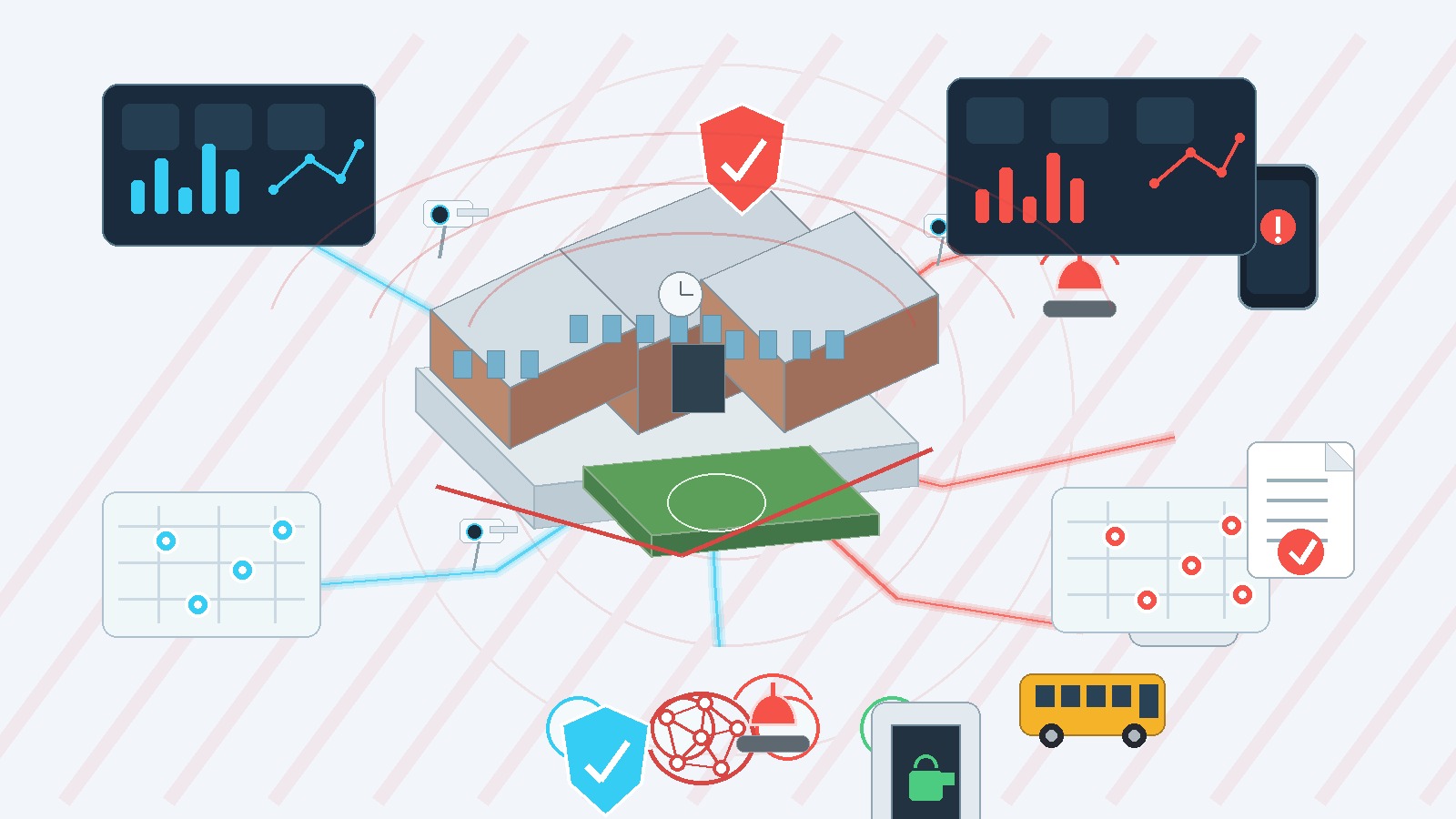
Summary
The official HB 4798 text defines wearable panic alerts and requires cameras, maps, and access control data to be available to law enforcement under protocols.
Why It Matters For K-12
This update points to a broader shift in school safety: technology is being evaluated less as a standalone product and more as part of an operating model. The practical question for a district is what the tool changes during the first seconds of an event: who receives the signal, what context is attached, who can act, and what evidence remains for improvement.
Operational Reading
For education leaders, the useful lens is not only feature coverage. The same decision should include integration with emergency plans, governance over data access, training for staff, and measurable response workflows. A solution that adds alerts without reducing verification time can increase noise; a solution that connects alert, location, video, access, and communications can make the response easier to coordinate.
Questions For Evaluation
- Does the system connect to the existing emergency operations plan?
- What context is shared when an alert is triggered?
- Who can access video, maps, access-control data, and event logs?
- How are drills, failures, and post-incident reviews documented?
How This Relates To Clipxu
Clipxu is positioned as an operational layer that connects AI, location, IoT signals, and response workflows. The editorial focus is clear: school safety technology should be observable, governed, and measurable, not just installed.