
News
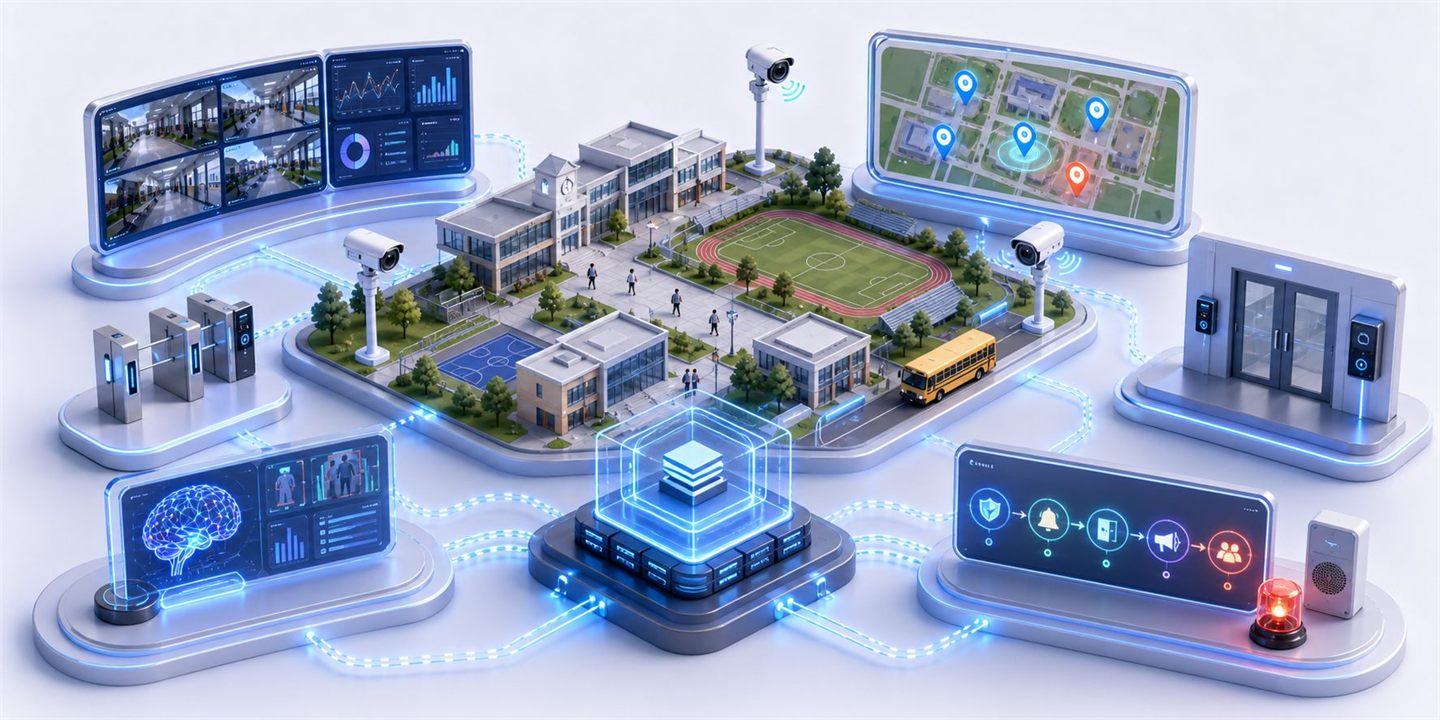
Trends, lessons, and practical documentation on school safety, AI, IoT, and campus response operations.
K-12 multichannel alerts: measure coverage without confusing sending with receipt
A useful test identifies gaps by recipient and channel, assigns corrections and preserves evidence without promise of complete understanding.
One K-12 credential, separate capabilities: avoid universal permission
The student badge can connect transport, meals, library and events without turning every reading into universal access and continuous monitoring.
Three channels, three responsibilities: coordination is not dispatch or recordkeeping
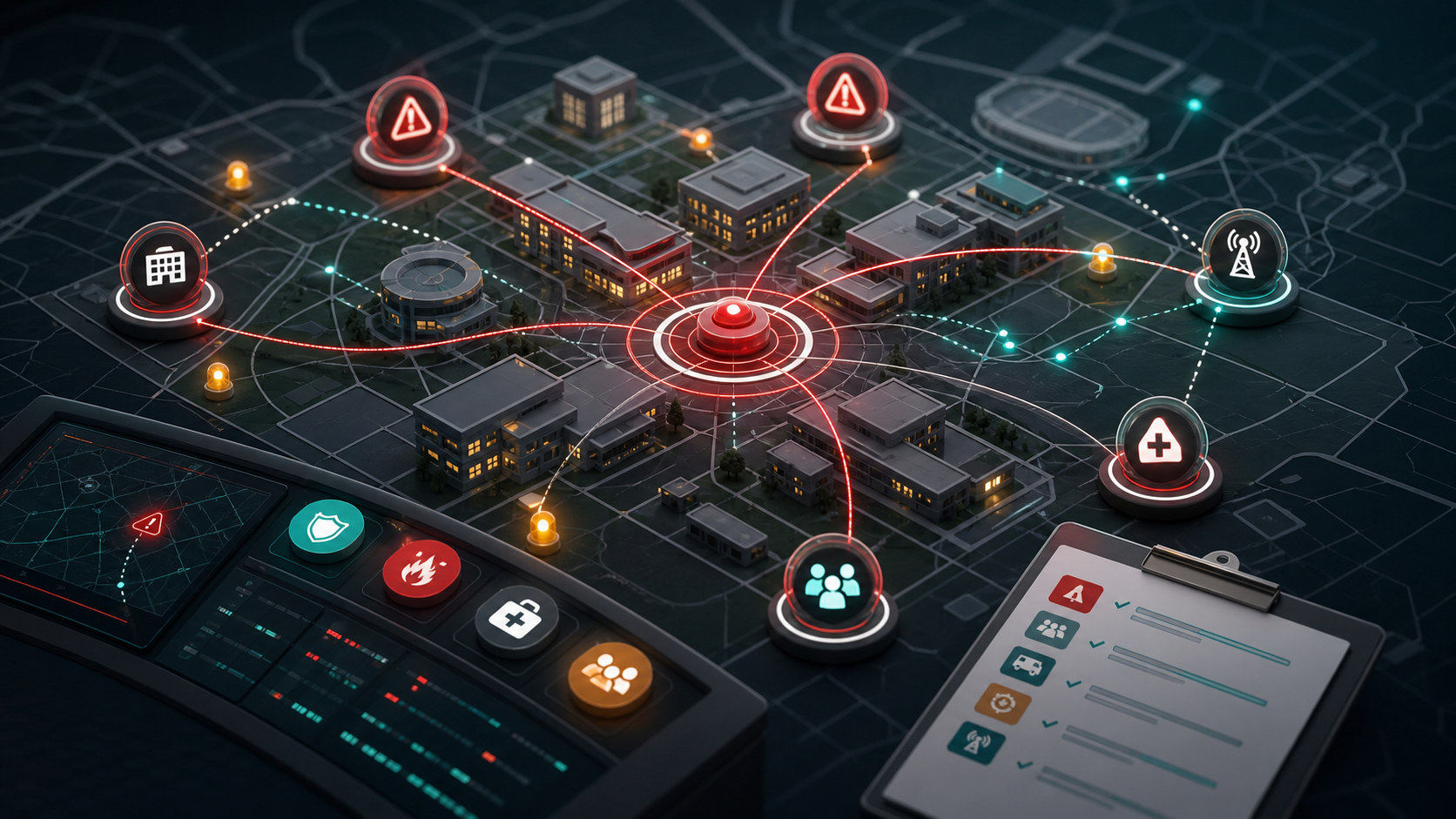
The new SOP from Washington, D.C. shows how to separate awareness among schools, emergency response and official registration without duplicating pII.
One incident, one meaning: Michigan brings emergency vocabulary to every K-12 system
The standardized term isn't just training: panic buttons, access control, PA, apps and office should preserve the same meaning and policy version.
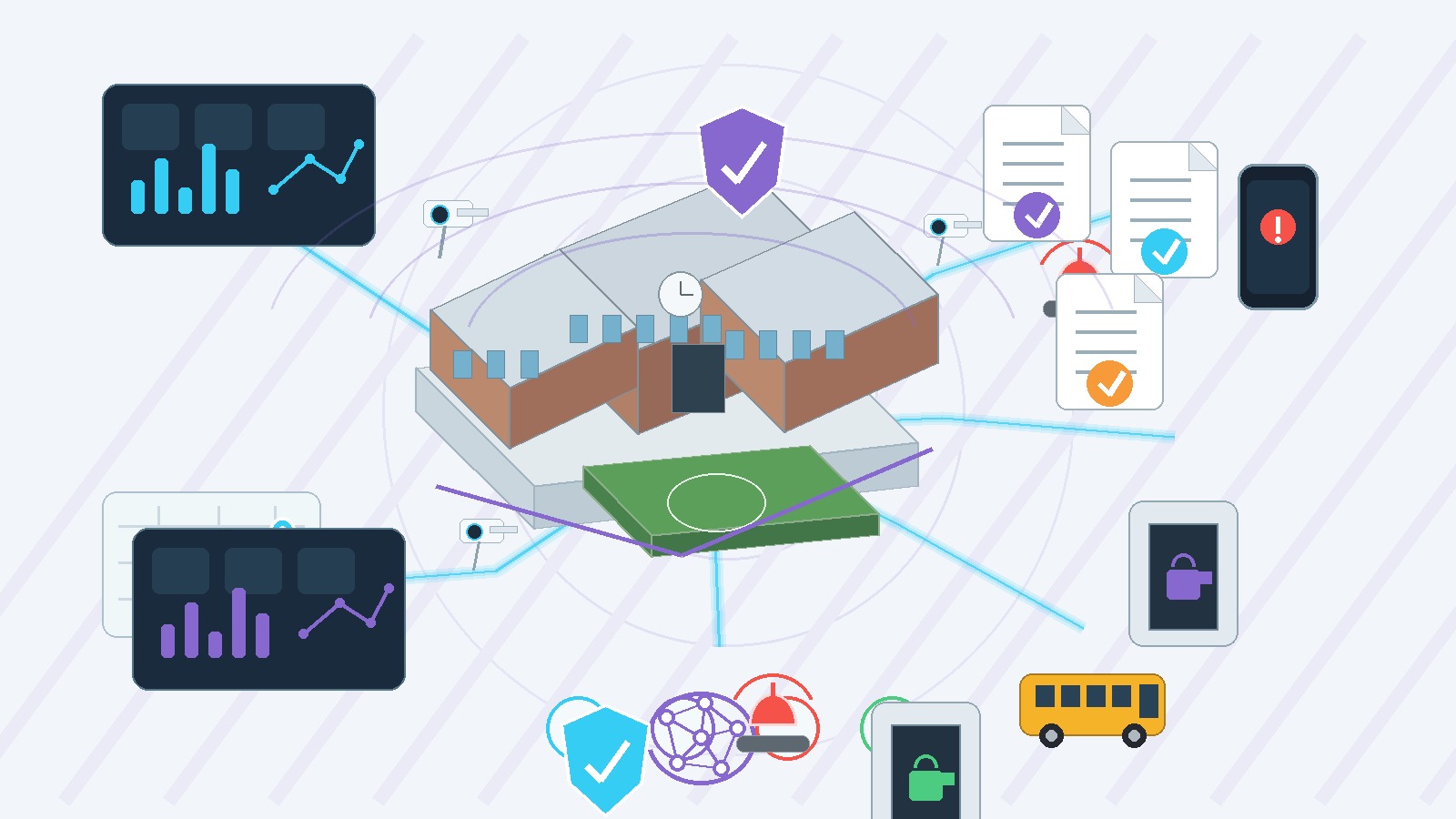
K-12 drills without real data: test response without rehearsing a breach
Ferma's an emergency with an exercise. A drill with synthetic data allows validation of alerts, accesses, video and climbing with less exposure.
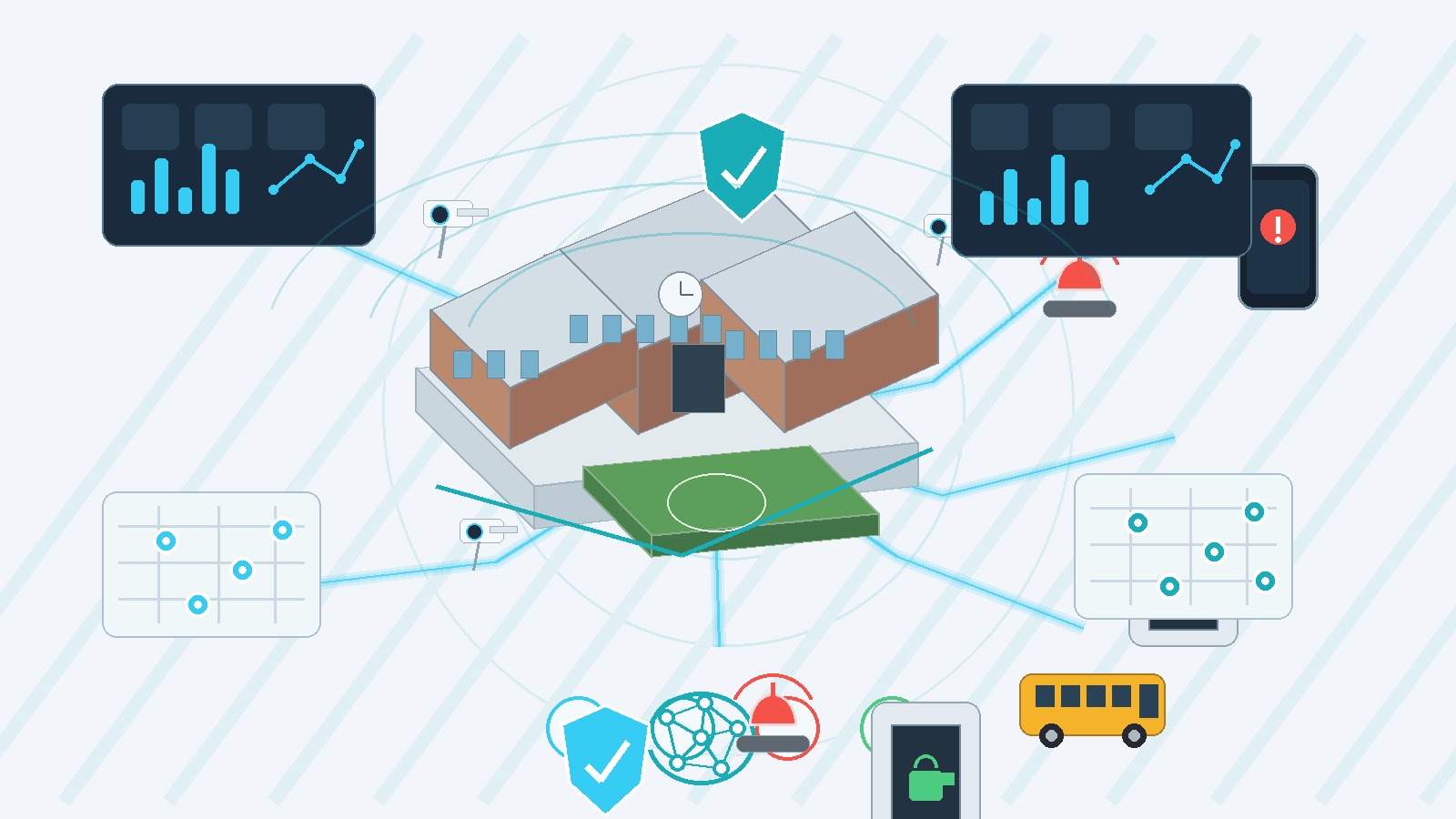
Before buying devices: test interoperability and operational evidence
The review phase of the SSE federal program leaves a useful lesson beyond the contest: to convert integrations, exercises and evaluation into verifiable evidence before climbing a purchase.
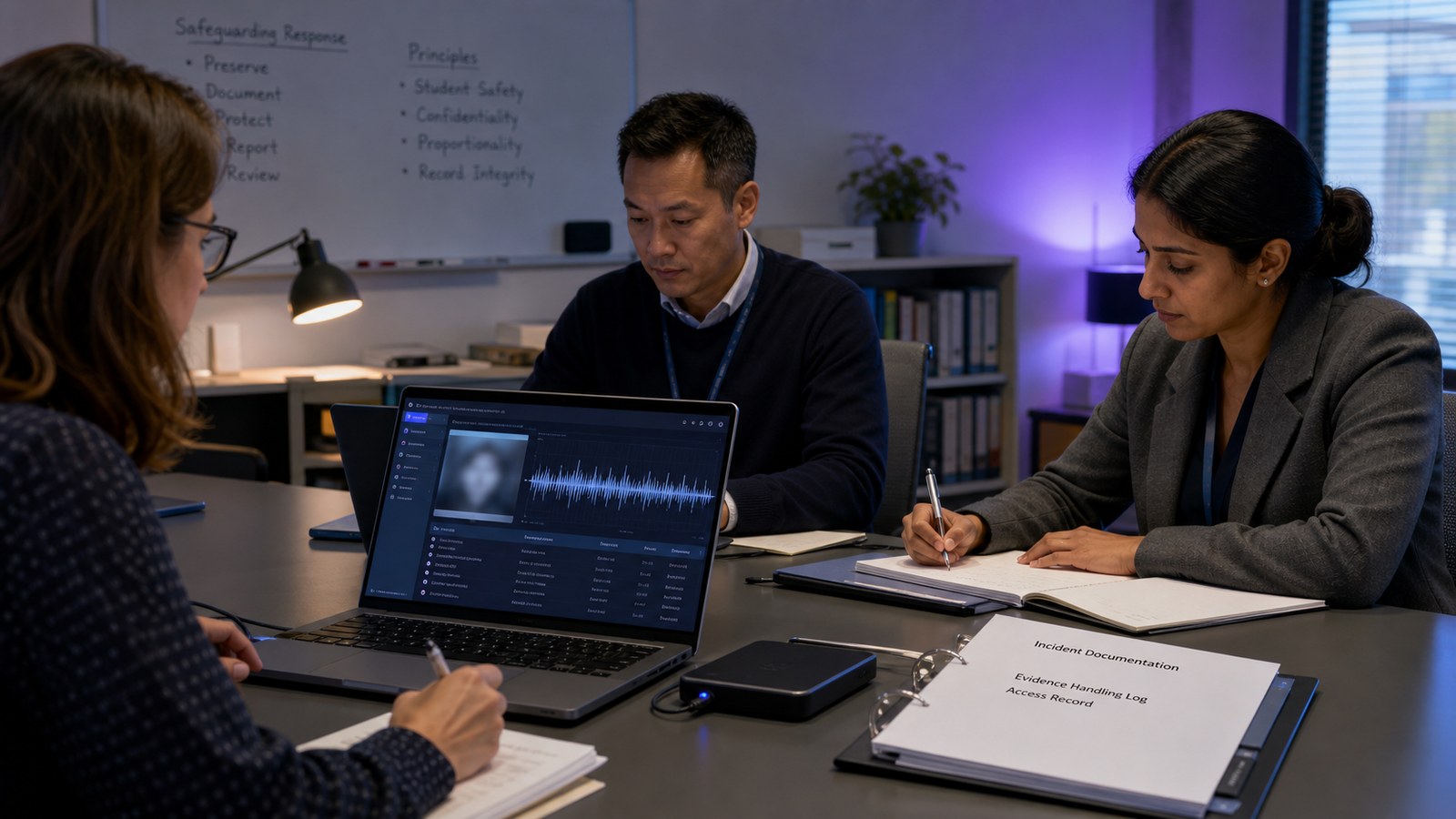
From threats to operational learning: the new Louisiana K-12 cycle
Act 901, as of 1 August 2026, connects immediate report, state data without student pII and CPTED physical evaluations. The opportunity isn't to automate the verdict but to improve evidence, co-ordination and prioritization.
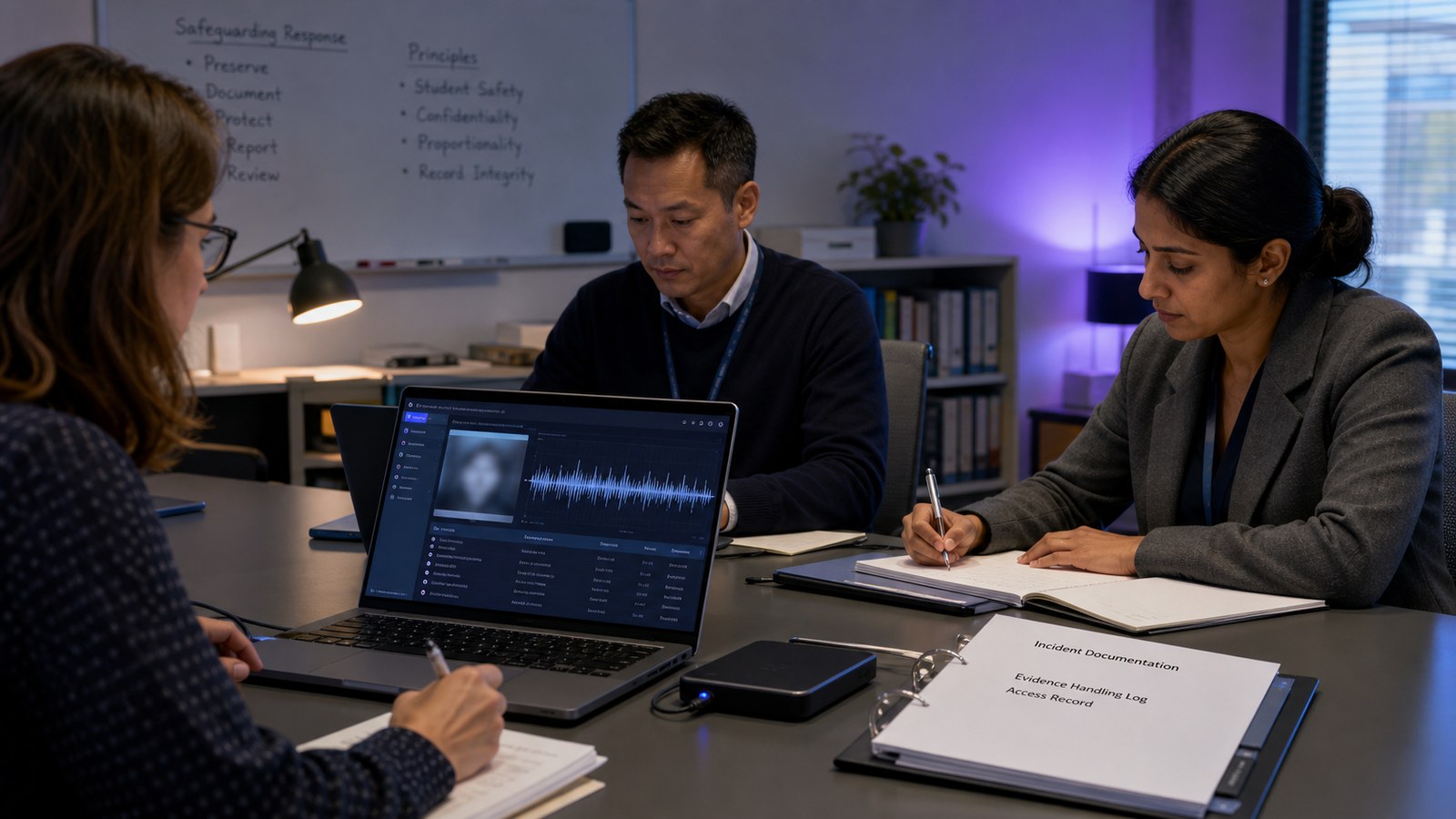
AI-enabled extortion in K-12: preserve evidence without amplifying harm
The DfE school playbook shows how to respond to synthetic images, audio, or video: activate safeguarding and cyber response, secure accounts, verify before making claims, limit circulation, and document every decision.
K-12 cyber-physical response: a plan that works when the network does not
The DfE process turns continuity into a practical discipline: owners and backups, documented triage, escalation thresholds, playbooks, and offline copies that coordinate security, IT, leadership, and vendors.
K-12 safety beyond visitors: traceability for staff, contractors, incidents, and access
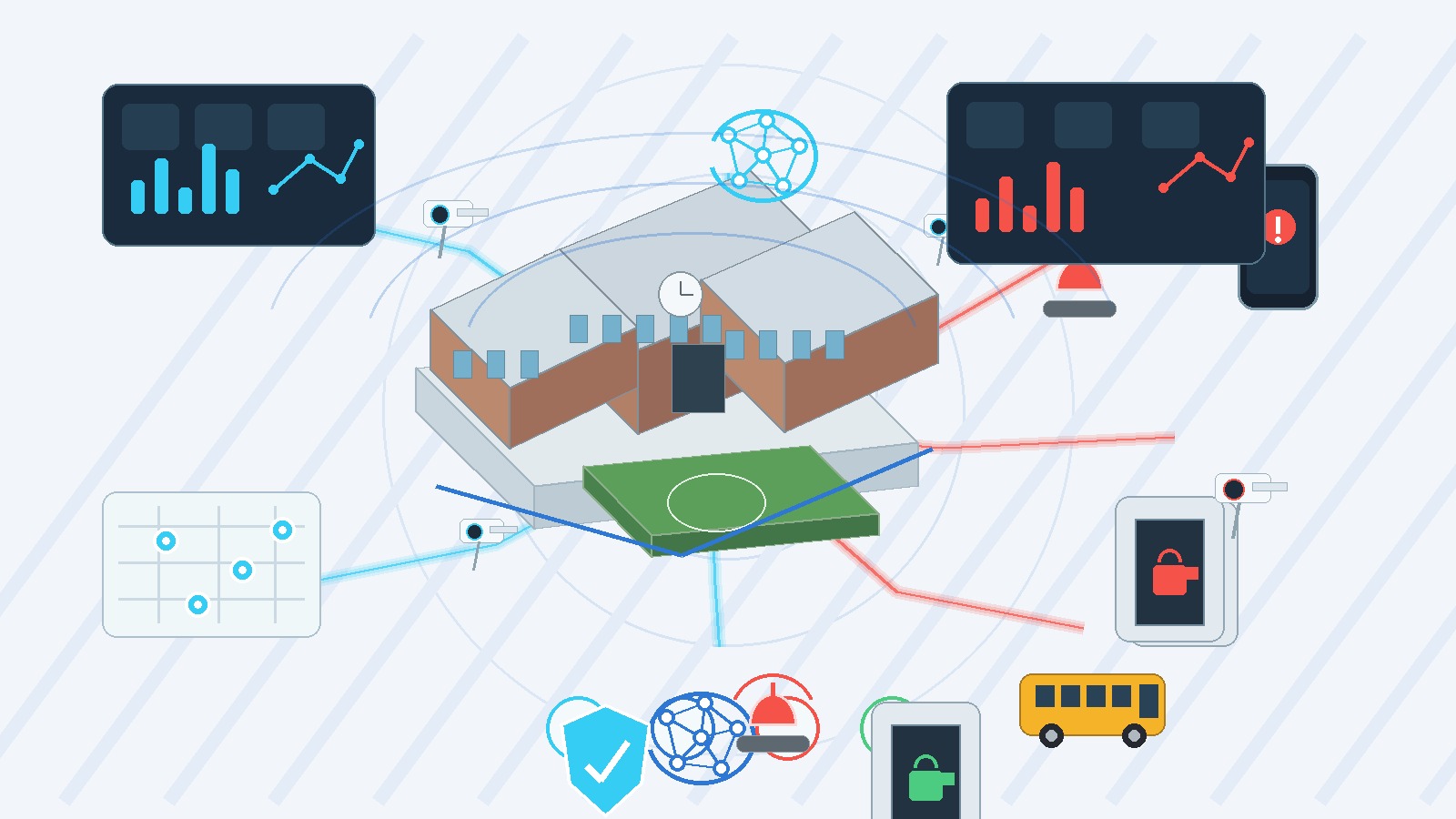
The federal OCR initiative of 10 July shows a divide that public security systems cannot ignore: protecting a school also requires connecting policies of personnel, contractors, research, incident data and access permits without confusing technologies and institutional decision.
Federal SSE FAQ clarifies access control, panic buttons, and visitor management
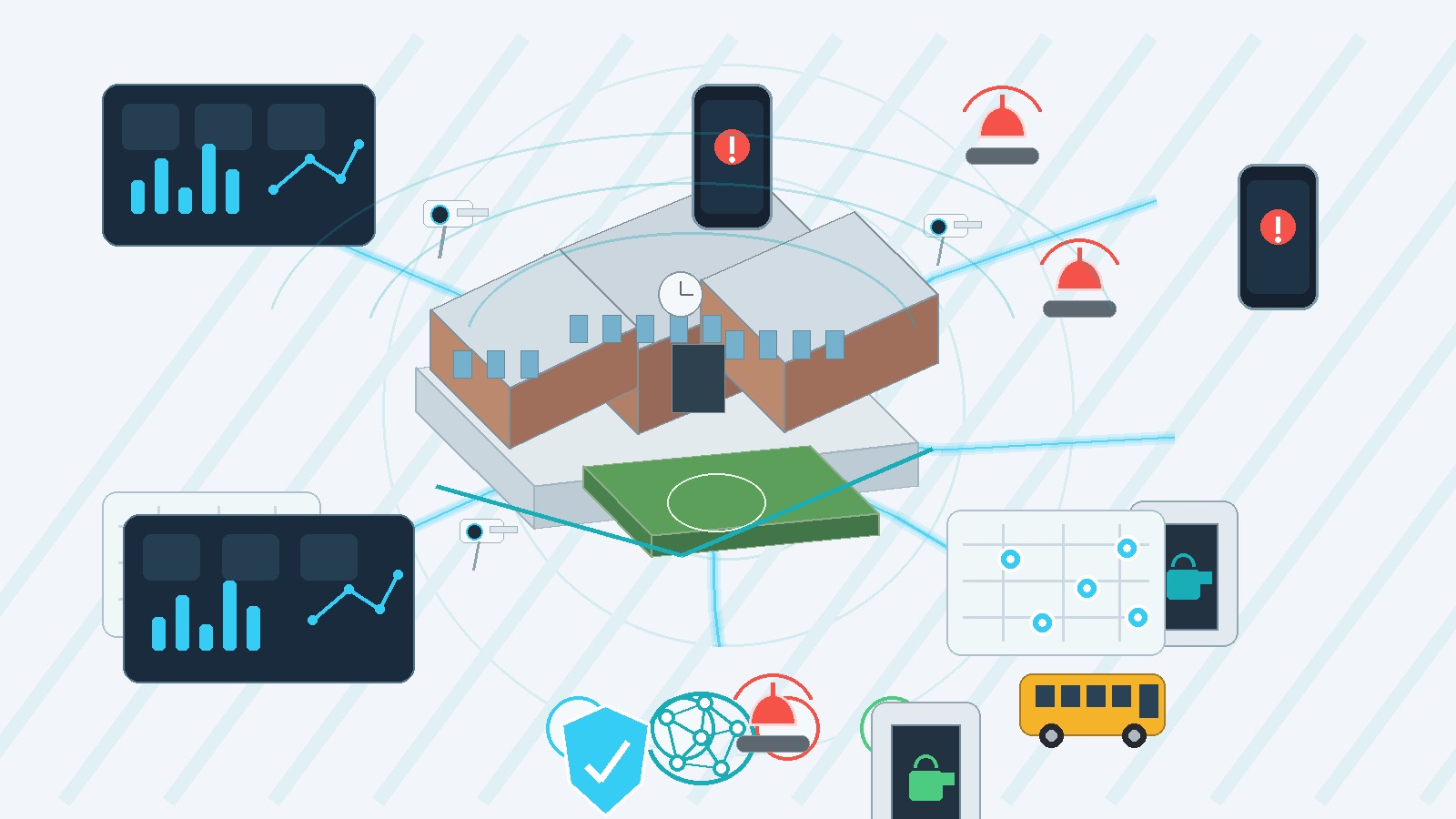
The Department of Education did not launch a new technology, but if it did something more useful for procurement: at FY 2026's FAQ School Safety Enhancement Program I detailed that measures such as electronic accesses, panic buttons, kiosks of visitor management, cabling, cameras and secure vestibules can be entered as an eligible expense under minor remodeling. For K-12, that reduces ambiguity between physical security, light work and public financing.
Kentucky strengthens safe and responsible K-12 AI procurement
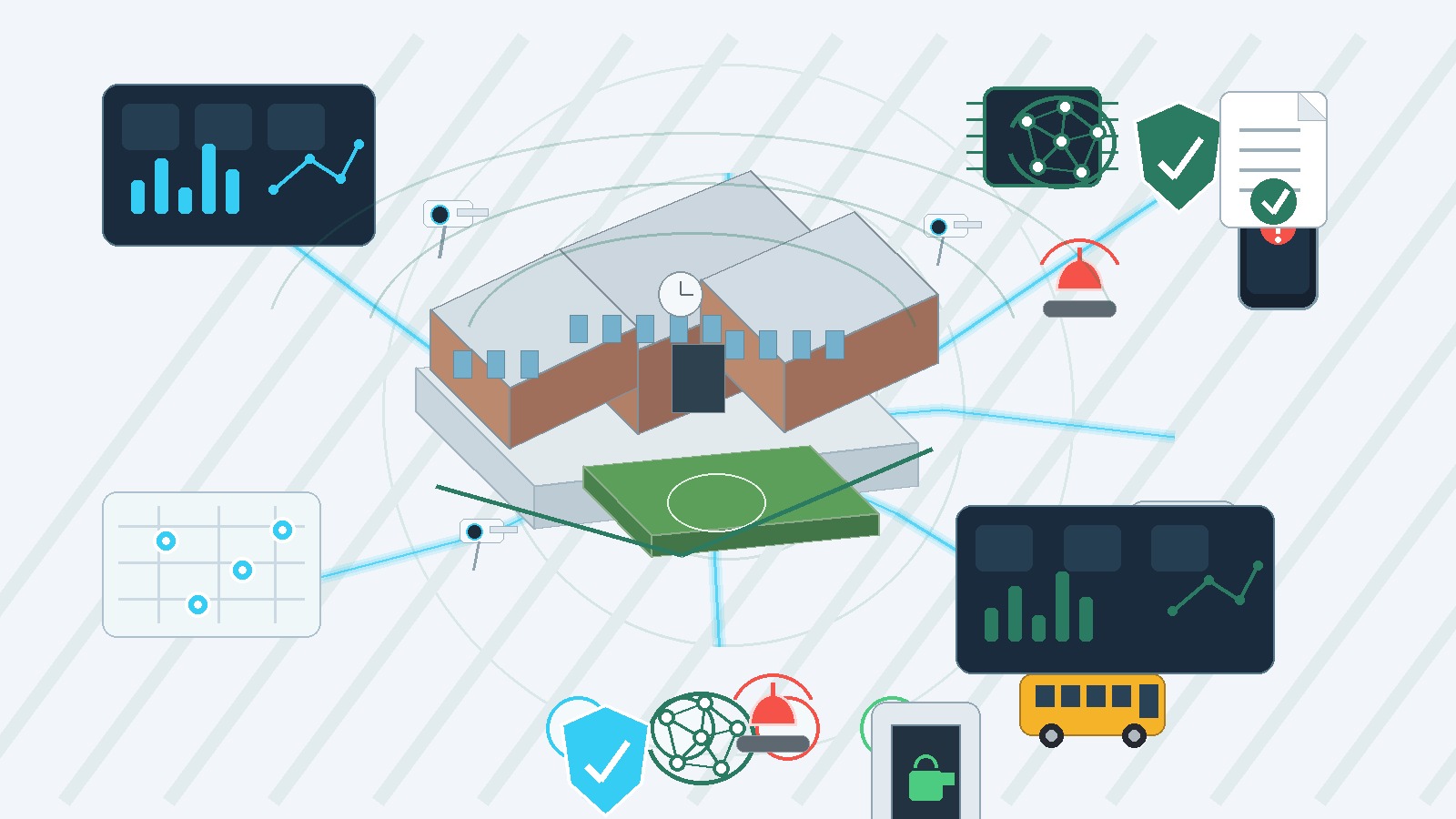
The new AI page in Kentucky K-12, published on 6 July, does not feature AI as a pedagogical fashion. It presents it as a system discipline: secure and responsible use, district decisions about interviewing assistants, difference between using AI and creating AI, and explicit support for conduct and implementation checklist. For K-12, the news is applied governance.
Oklahoma formalizes mobile-alert vendors, PSAP links, and real-time coordination
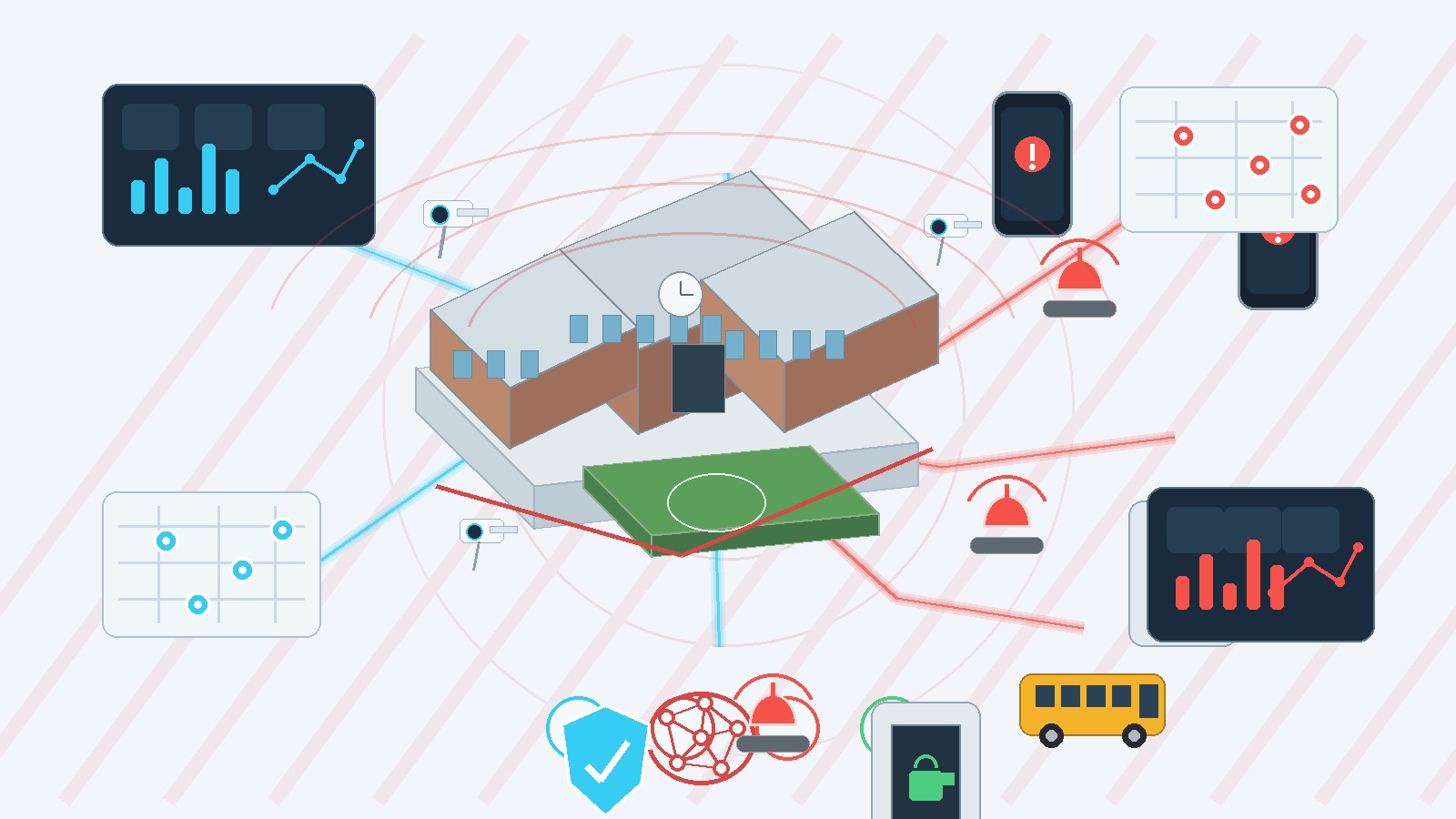
The official Oklahoma School Safety Security page no longer talks about panic buttons in abstract. He's talking about 11 trained providers and concrete functional requirements: integration with PSAP, called 9-1 and mobile activations, floor plans, call location and real-time situational updates. For K-12, the message is that alert technologies are evaluated by interoperability and not by marketing.
California updates its school AI guidance and reinforces compliance
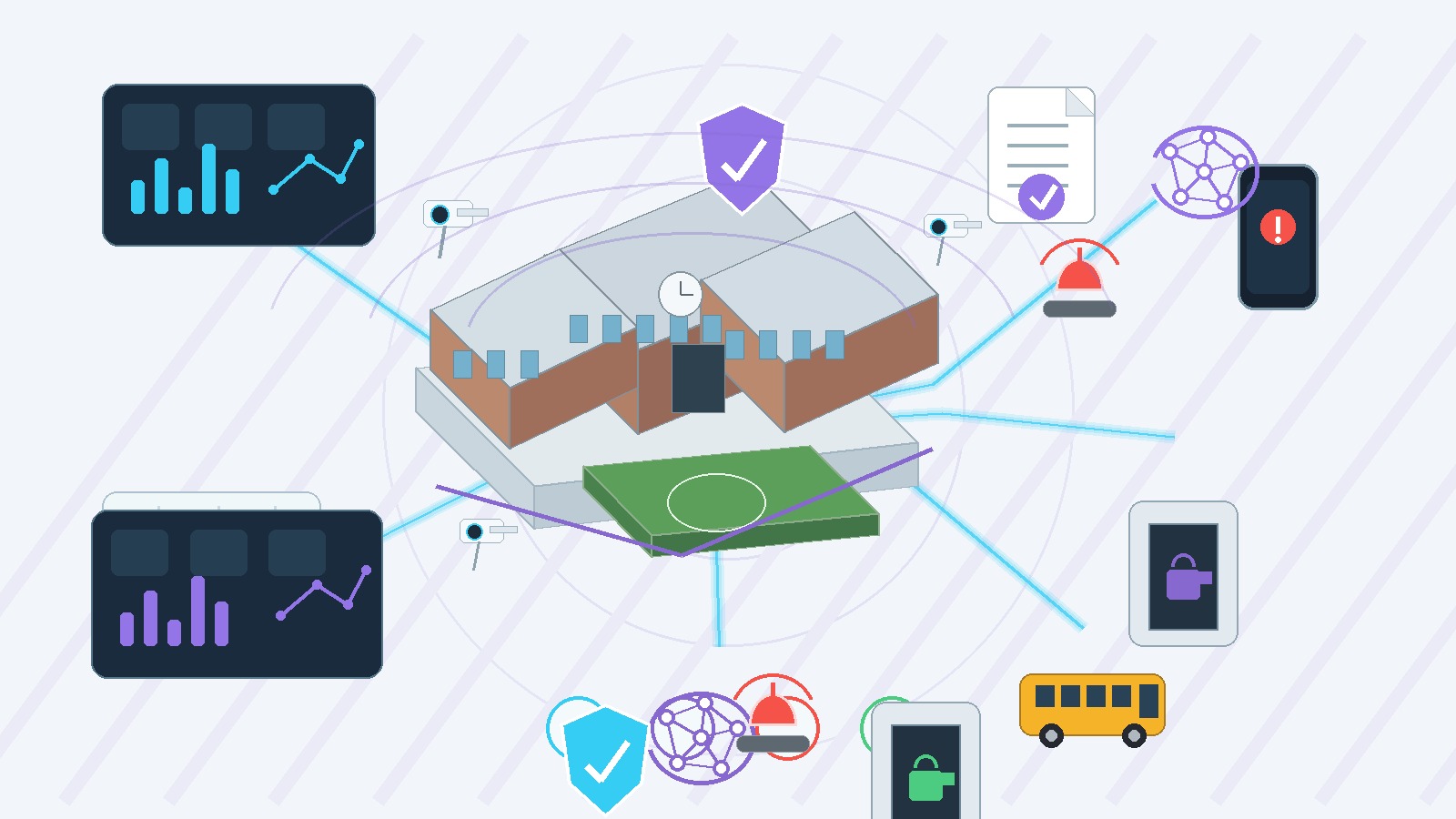
The June 25 update of the California Department of Education does not require a new obligation by itself, but if it consolidates a more mature state framework: AI can be useful in schools only if run with FERPA, COPPA, privacy, equity and human review. For K-12, that moves the conversation from novelty to operational discipline.
CENTEGIX data highlights the weight of everyday K-12 safety incidents
The new report 2026 from CENTEGIX once again puts into place a focus where many districts do not first look at: the great majority of alerts are not shooting or lockdowns but daily incidents of conduct, health and operational support. The editorial value isn't in the supplier but in the implication: the school response should also be designed for how often.
Maryland turns school AI governance into policy, coordination, and procurement
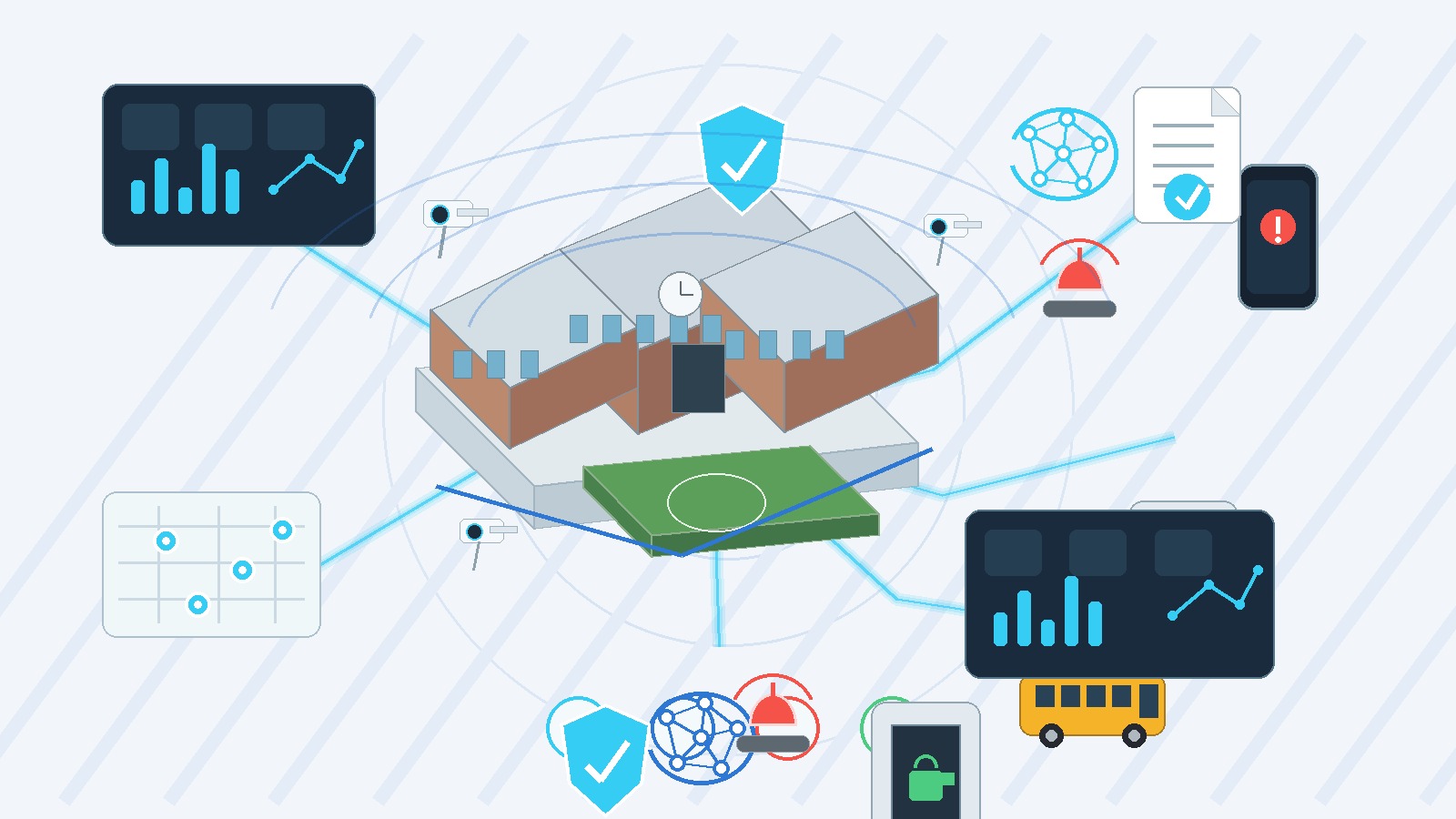
The new SB0720 law does not simply recommend responsible use of AI in schools. It challenges Maryland to publish state guidance, requires an aligned local policy, creates the figure of the co-ordinator AI and forces to review tools with an official heading. For K-12, novelity isn't pedagogical: it's operational.
Canvas turns post-incident response into a contact and governance issue
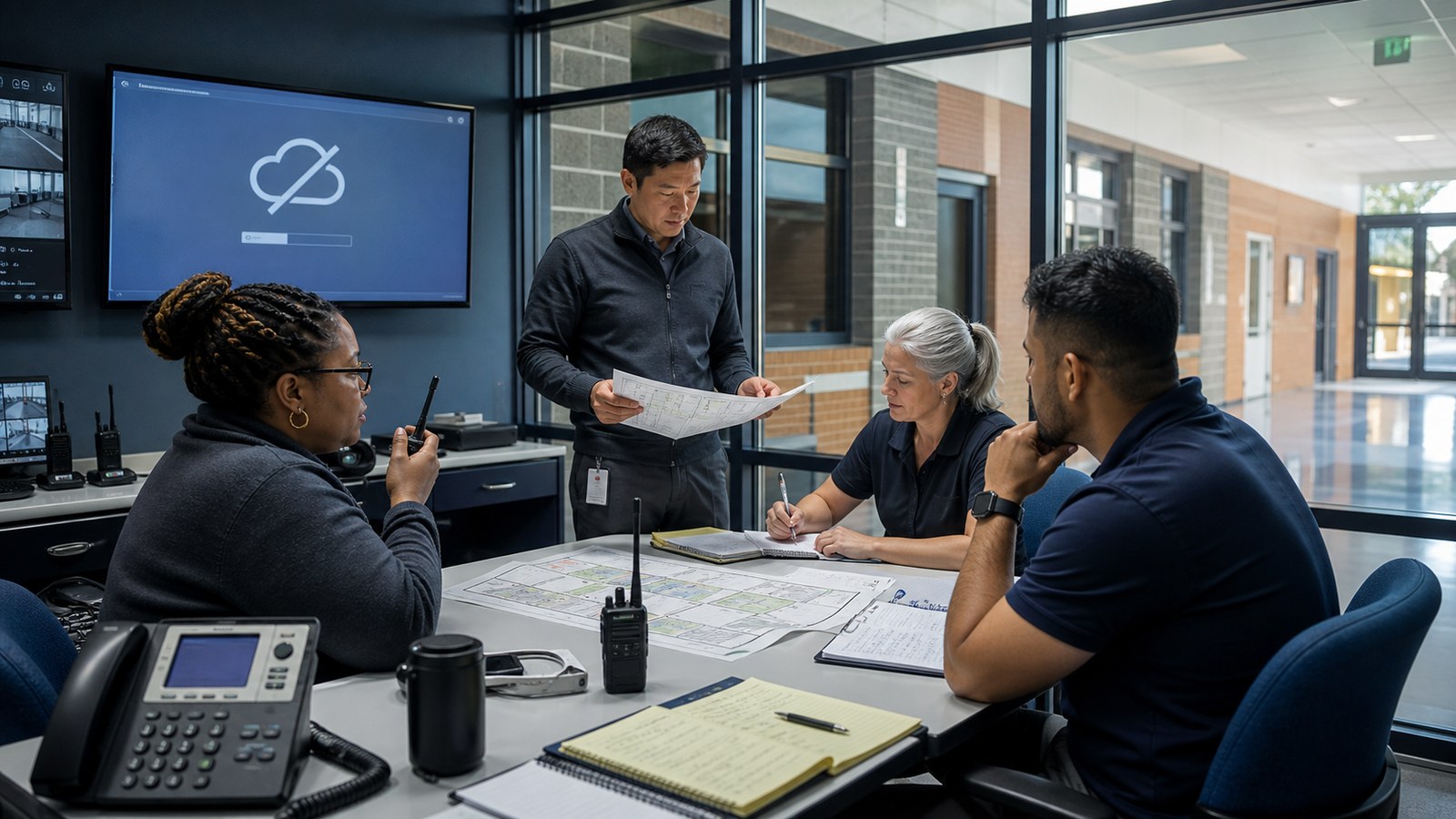
The official June 28 Updating of Instructure did not propose a new technical remedy visible to schools and a somewhat more structural announcement: each institution should designate a Primary Security Contact by July 8. For K-12, the lesson is that continuity and safety are already dependent on nominal officials and formal warning routes.

The Canvas incident offers a K-12 lesson in operational continuity
The June 11 Training's official update did not propose a new feature for schools but something more important: continuity, resilience and product changes after a serious incident. For K-12, useful reading is operational.

DOJ panic-alert case warns K-12 leaders about procurement governance
The problem was not an unworked bottle but an allegation of contractual integrity. The NYPD's statement about the NYPD case shows why panic alerts, tip lines and school-safety tech require government purchases as serious as the response plan.
Federal SSE grants align visitor screening, locks, and emergency response
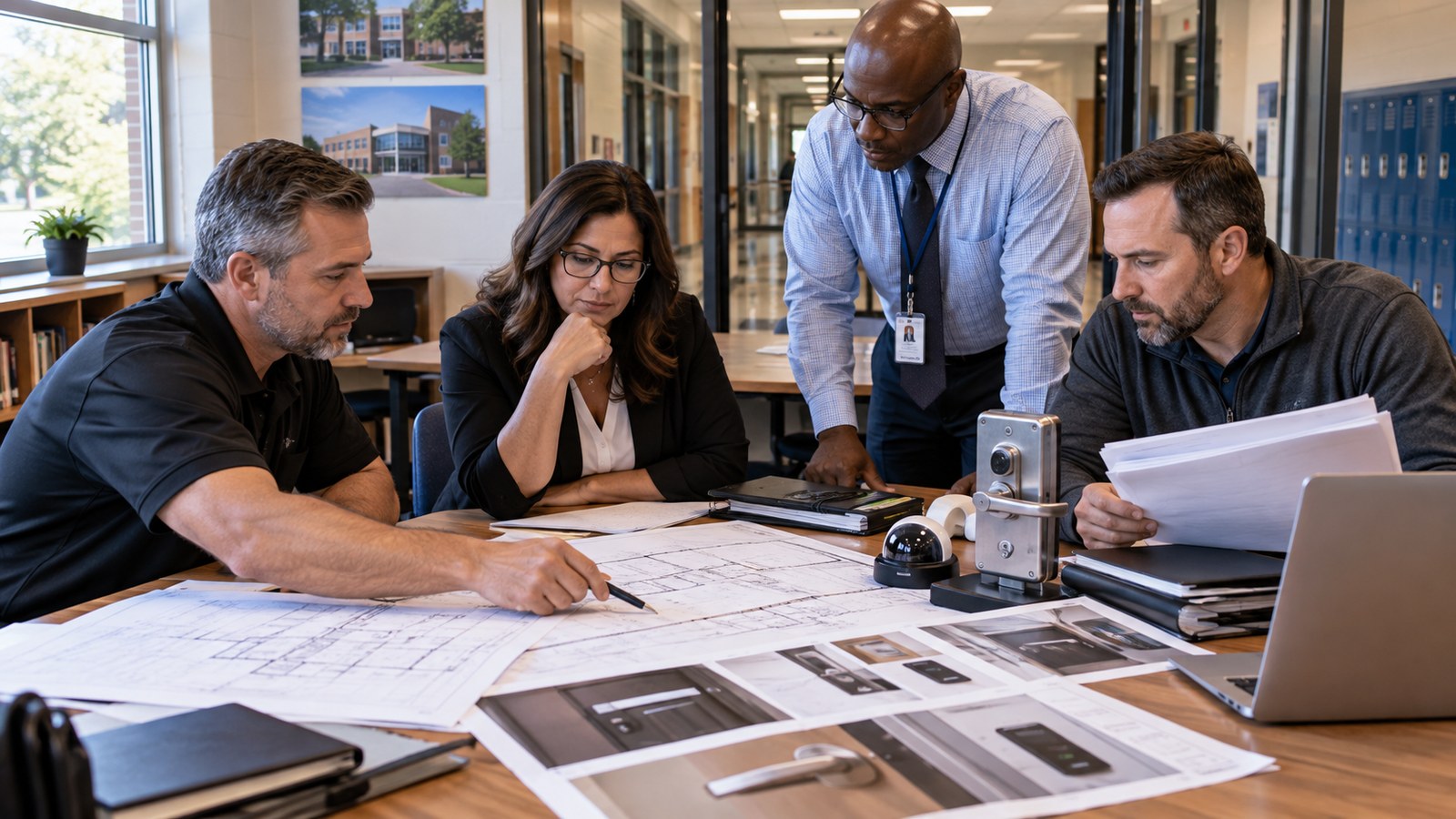
The FY 2026 School Safety Enhancement federal competition will open up $93 million for state school security systems. The novelty isn't just the amount: the official priorities put together secure entry, visitor screening, communications, plans and exercises within a single phase of implementation.

Ohio makes AI policy an immediate K-12 obligation
Before 1 July 2026, all eligible districts and schools in Ohio have to adopt a formal policy about AI. The key sign for K-12 isn't pedagogy: the model forces them to treat security, privacy, vendor assessment and operational use.
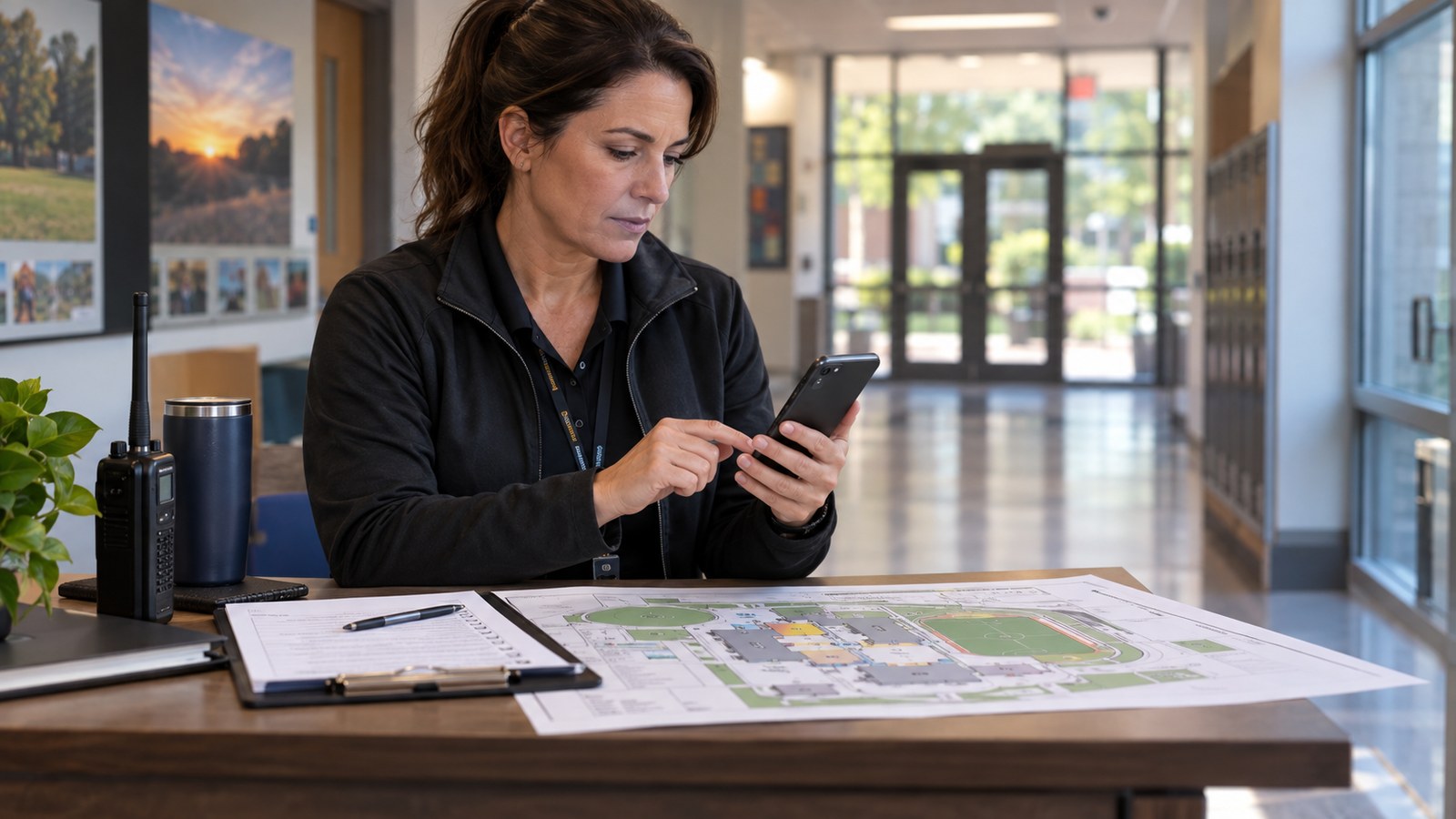
Tennessee defines funding, workflow, and audits for mobile panic alerts
Tennessee FY 2025-26 fund for mobile panic alert systems isn't an umbrella. Define amount by school, schedule, ePlan roles, eligible and audited reimbursement. For K-12, the lesson's operational: a law's worth little without a purchase and monitoring mechanism.
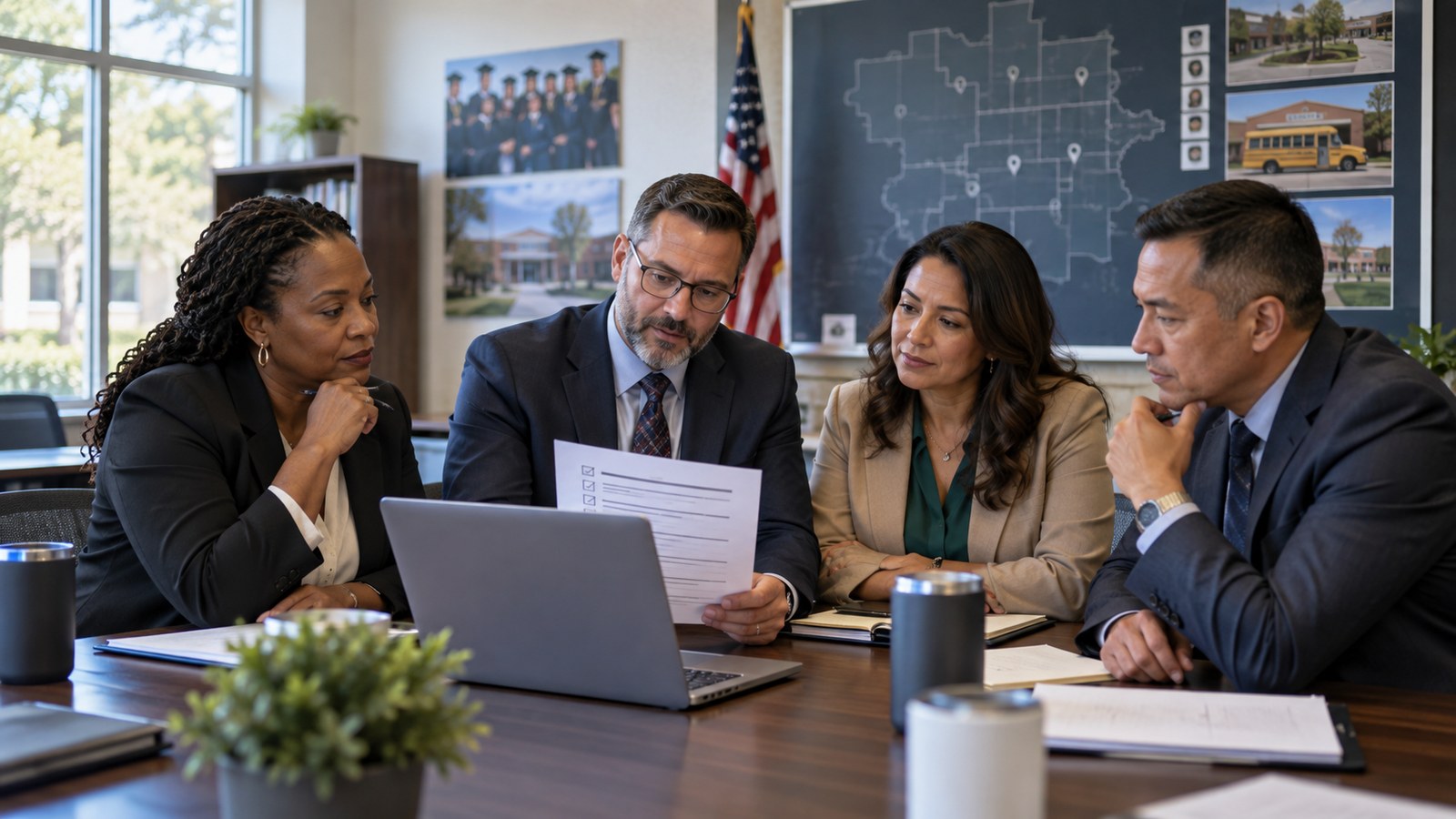
Michigan brings AI into district policy and procurement
Michigan doesn't stick to abstract principles about AI. His guide of May 2026 asks the districts to play AUP, privacy, academic integrity, procurement and human oversight. For K-12, that's the most operative sign: governance starts with templates and processes.
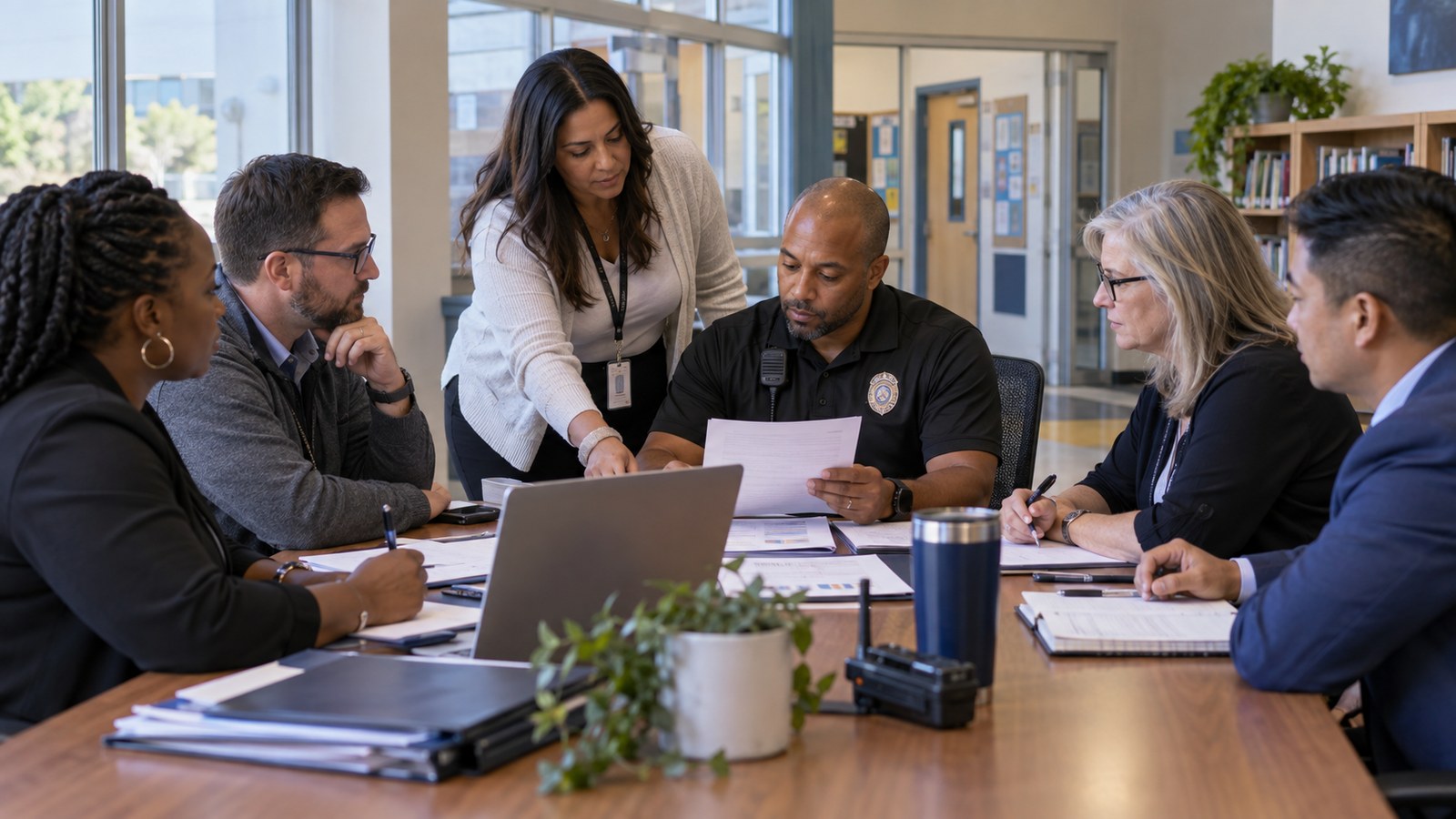
Texas makes threat assessment a reportable obligation through Sentinel
Since June 1, 2026, Texas has been forcing every campus to report at Sentinel the annual activity of its Safe and Supportive Schools Program. The relevant senal isn't bureaucratic: it standardizes evidence, monitoring and responsibilities about threat assessment.
Utah defines a minimum operating architecture for school safety
With effect from 6 May 2026, Utah does not treat panics as an isolated product. The text connects panic alerts directly to PSAP, access to cameras, key boxes, training and visitor management. For K-12, the message is clear: response and access monitoring are already a single operative layer.
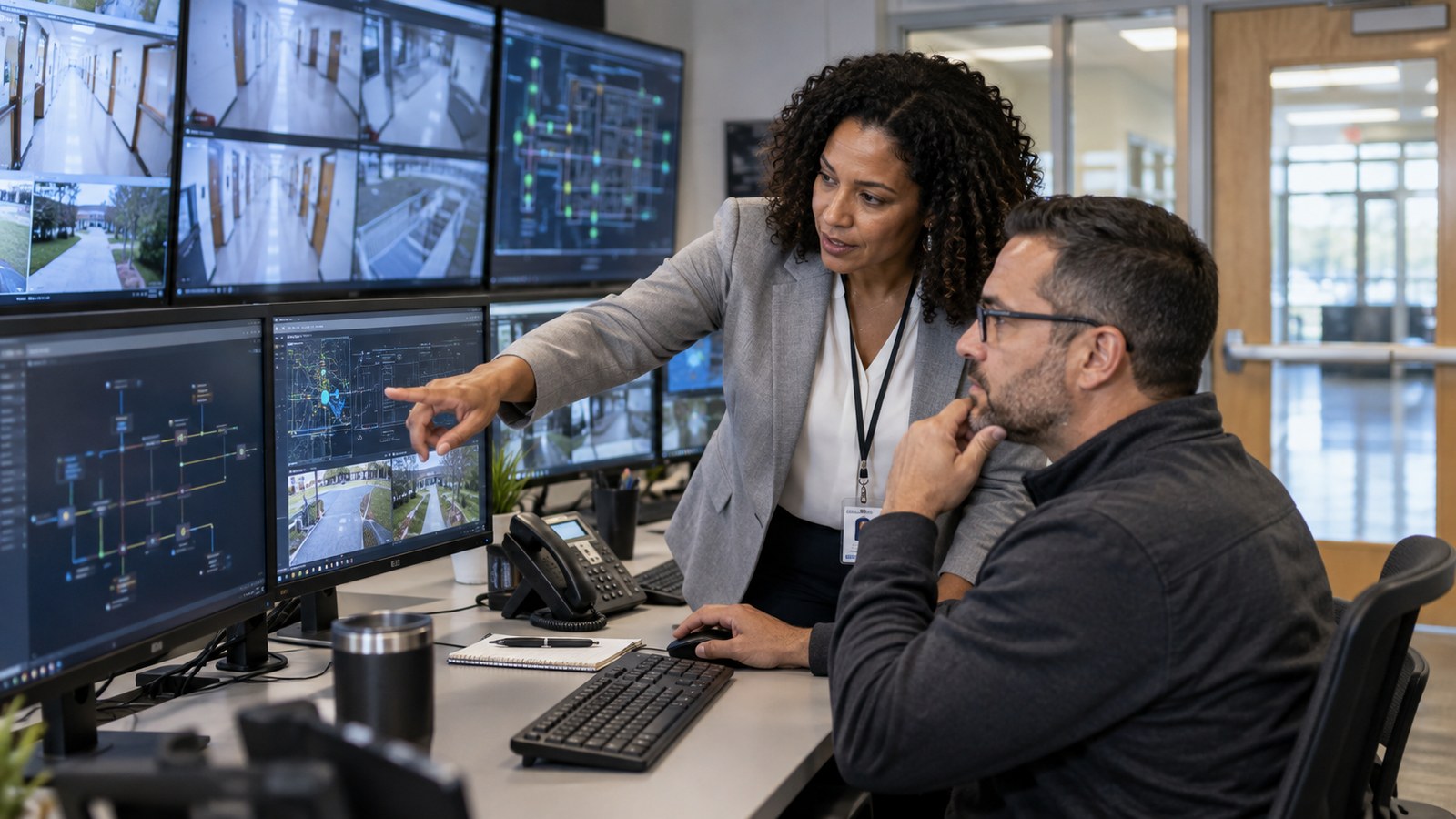
K-12 cybersecurity as a school safety layer: from IT to operations
ED connects cyber security with emergency operations planning and recommends immediate actions. The Brief "Defensive & Resilient" translates this idea into operational practices (hygiene, KEV, scanning, regional contacts).
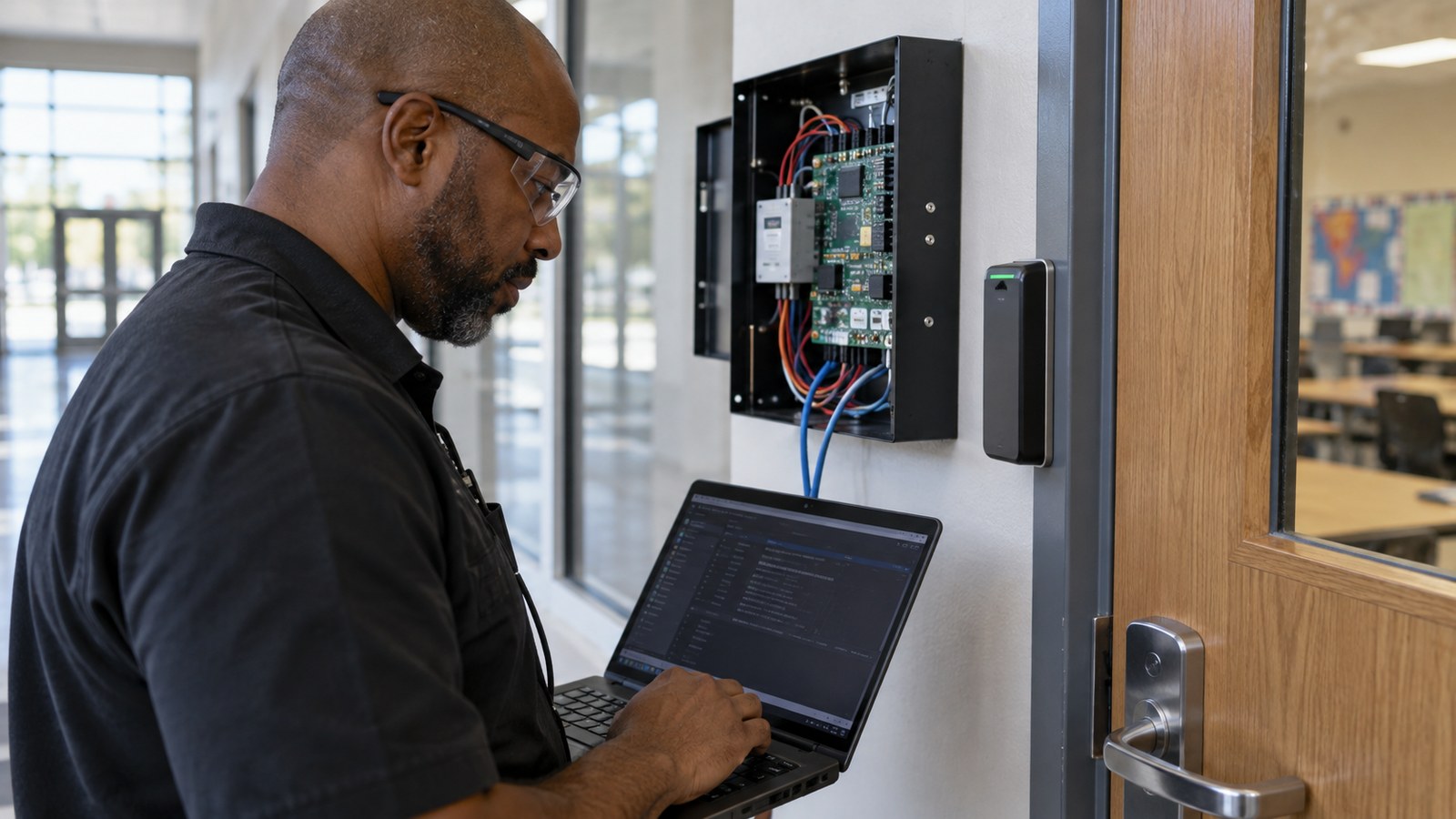
OSDP in 2026: open Transparent Mode and Secure Channel 2 for K-12 access control
SIA confirms that Transparency Mode remains open for implementation and promotes OSDP Secure Channel 2 (AES-256GCM). For schools, the sign isn't "more features": it's predictable interoperability and verifiable security at the entrance layer.
What an ANSI/ASIS standard adds to K-12 school security, and how to apply it to purchasing and operations
ASIS announced an ANSI-approved school security standard. The 2026 opportunity is to use it as a backbone for governance, lifecycle, and continuous improvement.
Critical incident mapping in K-12: from map to operational layer, lessons from Iowa
Iowa frames school safety around EOPs, exercises, and critical incident mapping as an operational asset for coordinated response.
Singlewire 2026 report and a K-12 reading: the gap is not lack of technology, it is operations
Singlewire's 2026 report points to gaps around main entrances, help channels, and low wearable panic availability, useful for prioritizing roles, training, redundancy, and metrics.
Georgia (HB 268): Alyssa's Alert, NG9-1-1, and school mapping as operational requirements
Georgia sets a minimum standard: mobile panic integrated with PSAP and NG9-1-1, plus mapping requirements that should become actionable response context.
Mississippi (SB 2498, 2026): from panic button to operational specification
A 2026 Mississippi bill details unusually concrete requirements: no Wi-Fi dependency, strobes, annual training, security data access, and confidentiality rules.
OSDP in K-12: why Secure Channel + Verified changes the minimum access-control standard
SIA published a 2026 checklist for proper OSDP implementation. For K-12, it means real interoperability, reader-controller encryption, inventory, staging, and validation.

NIST opens an AI RMF profile for critical infrastructure: useful language for governing AI in school safety
NIST published a concept note for an AI RMF profile focused on critical infrastructure, offering practical language for trust, measurement, and control in school safety AI.
PASS v7 and Digital Infrastructure: the new layer connecting access, video, panic, and IoT in K-12
PASS 7th edition adds a Digital Infrastructure layer and reinforces that modern school safety combines physical security, cybersecurity, and operations.
Third-party AI in school safety: an operational checklist to deploy it secure by default (2024-2025)
Joint NSA/CISA/FBI and CISA guidance recommend treating AI as a production system: inventory, hardening, data protection, logging, and incident response.
Miami and the debate over funding security in private schools
The Archdiocese of Miami asked Florida to extend school safety funding to private Catholic schools, bringing equity, cost, and prevention back into the K-12 security agenda.
Governance for AI + video in schools: from CCTV to assisted analytics without automated decisions
Recent official guidance reinforces a core idea: video and AI in schools require clear legal bases, transparency, access controls, and explicit limits on automated use.
Utah and actionable response: wearable panic, PSAP, maps, and keys (UL 1037)
Utah is pushing an integrated approach: wearable alerts that reach 9-1-1/PSAP with operational context and concrete infrastructure requirements such as UL 1037 key boxes.
West Virginia (HB 4798): Alyssa's Law and the move toward shareable safety data
The official HB 4798 text defines wearable panic alerts and requires cameras, maps, and access control data to be available to law enforcement under protocols.

AI video and access control: the convergence accelerating campus security
The 2026 announcements reinforce a clear trend: intelligent video, analytics, and access control are starting to operate as one shared operational layer.
How to choose school safety technology without falling into isolated purchases
Recent public guidance and frameworks suggest a simple rule: strategy and protocols first, then devices and analytics.
School safety 2026: from panic buttons to orchestrated response
Recent developments show a shift from isolated alerts toward platforms that connect panic activation, maps, communications, and emergency protocols.
Observability and response: two key layers for school safety
Modern school safety combines early detection, operational context, and clear response workflows to reduce decision time.